
Optimizing Household Electricity Consumption – The Most Important Tips
Why electricity consumption is increasing Household electricity consumption has been rising for years. This is mainly due to new technologies such ...
Read article
Dynamic electricity tariffs are electricity tariffs where the price of electricity changes regularly. The price is directly linked to the spot market price and fluctuates depending on supply and demand in the electricity market.
When a lot of electricity from renewable energies like wind or photovoltaics is available, the electricity price often falls. In times of high demand, the price can rise.
This flexible pricing allows households to use electricity particularly cheaply if they adjust their electricity consumption.
In Germany, several energy suppliers offer dynamic electricity tariffs. Some of the best-known providers include:
Tibber
aWATTar
Octopus Energy
Lichtblick
EnBW
These providers pass on the current electricity price from the electricity exchange directly to their customers. This allows consumers to benefit from low electricity prices when a lot of renewable energy is available in the power grid.
Households with high and flexible electricity consumption particularly benefit.
This includes, for example, households with:
Heat pumps
Electric cars
Photovoltaic systems
Electricity storage systems
These devices can be operated flexibly and can be easily adapted to low electricity prices.
The expansion of renewable energies is significantly changing the electricity market. Solar and wind energy produce electricity depending on the weather and time of day.
This leads to greater fluctuations in electricity supply. Dynamic electricity tariffs help to better adapt electricity consumption to these fluctuations.
This can relieve the strain on power grids and make better use of renewable energies.
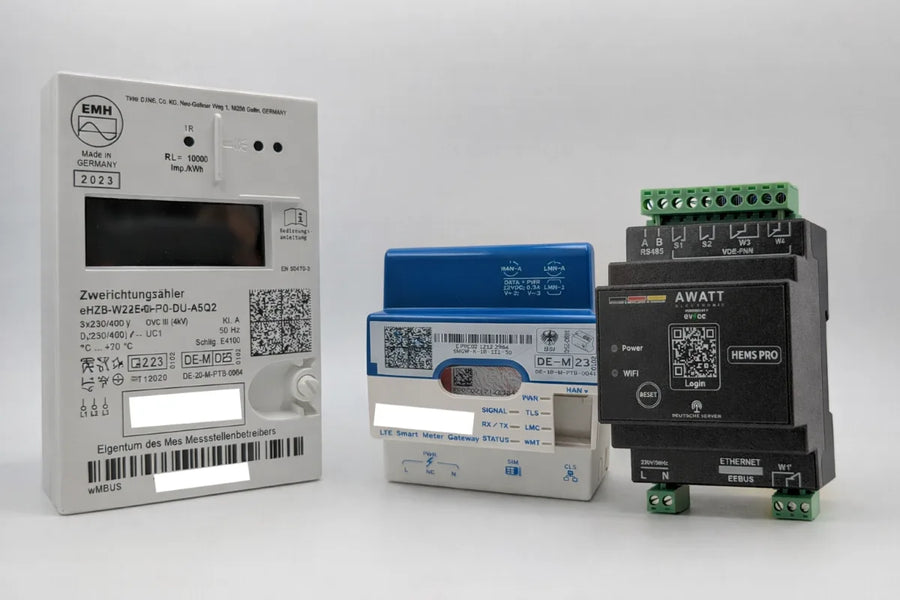
An energy management system can automatically utilize dynamic electricity prices.
The system identifies favorable electricity times and controls devices accordingly. For example,:
Electric cars can be charged
Heat pumps can be operated
Electricity storage systems can be charged
This allows dynamic electricity tariffs to be used particularly efficiently.
Why electricity consumption is increasing Household electricity consumption has been rising for years. This is mainly due to new technologies such ...
Read article
What are dynamic electricity tariffs? Dynamic electricity tariffs are electricity tariffs where the price of electricity changes regularly.The pric...
Read article
The Role of the Power Exchange In Germany, electricity prices are largely determined by the power exchange. The most important trading platform is ...
Read article